Drone and building-system threats to data centers
What the 2026 strikes on Russian data centers show, how drones and unauthenticated cooling and power controls expose a campus, and how to build detection that connects the two.
For: Data center security, facilities and OT leaders; colocation and hyperscale operators; tenants and insurers
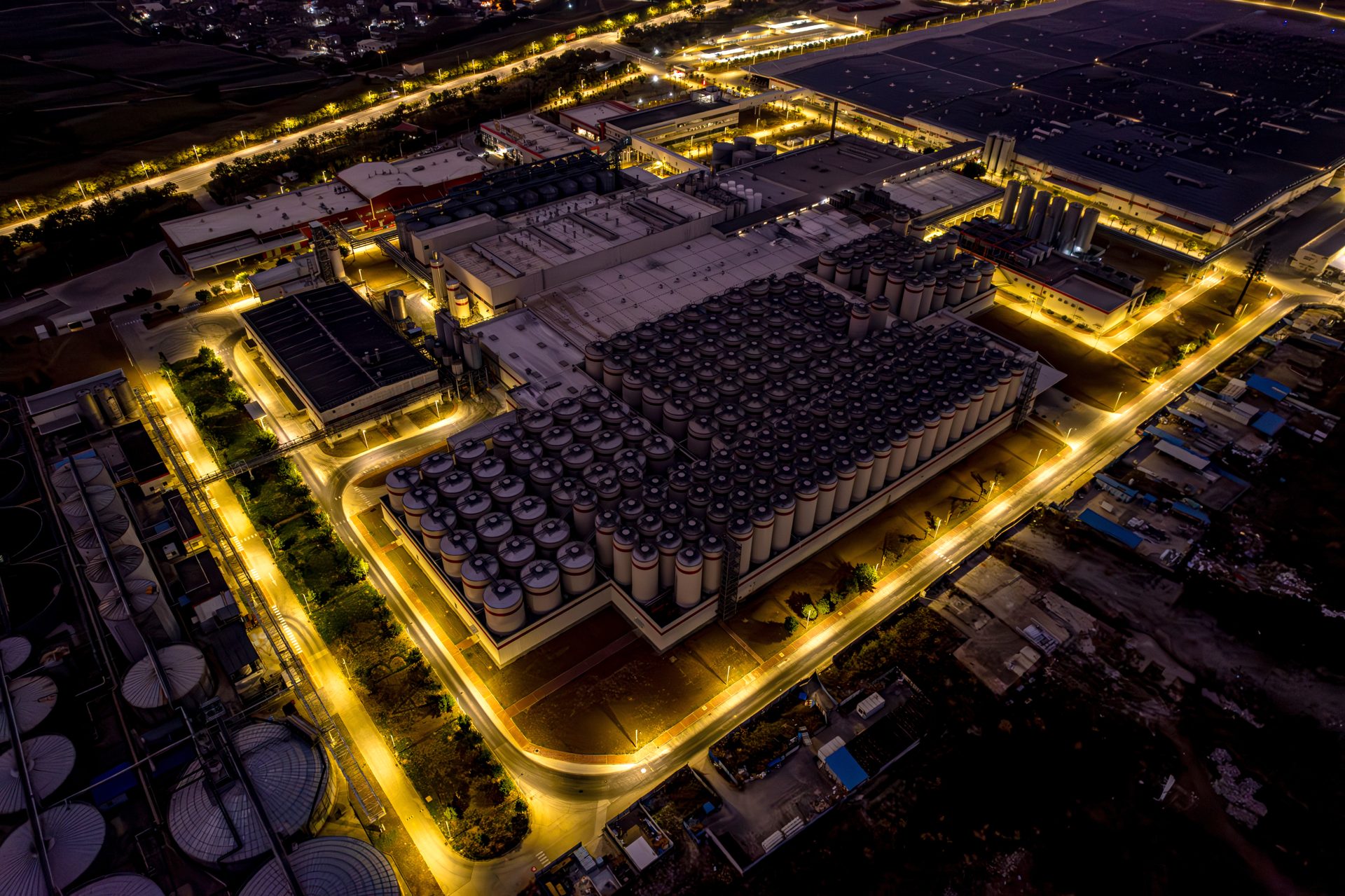
What the paper covers.
Between October 8 and October 18, 2026, Ukrainian long-range drones struck five Russian data centers: three Yandex sites in the Ryazan, Kaluga and Vladimir regions, a Sberbank site at Balakovo, and a VK site in the Leningrad region. One site burned, two were shut down, and ride-hailing, payments, delivery and cloud customers lost service. Earlier in the year, drones struck AWS facilities in the UAE and Bahrain.
The paper uses those strikes as the protection basis for U.S. operators. It covers the reconnaissance that comes first, the dependencies that fail with the site, and a quieter risk: cooling and power controls that run Modbus or BACnet with no authentication, so anyone on the wire can read the facility's load and, often, change it.
Sources: The Moscow Times, Reuters, Fortune/AP, Euronews, Meduza, DefenseScoop, CSIS; CISA and FBI advisories (2026). Full citations in the paper.
Recommendations
- Detect and track drones over the campus, with recorded evidence
- Protect the roof plant, generator yard, substation and fiber entry, not just the building
- Put building-system alerts on the same timeline as airspace alerts
- Harden BMS and EPMS networks and set setpoint limits in the controllers
- Write the response plan with police and the FBI, and rehearse failover
Request the full paper
Full white papers are shared with qualified organizations through the TKG Library. Request access, and once TKG approves it you will receive an email invitation to sign in.
Already approved? Open the TKG Library
Have a site in mind?
Send the site, the mission and what is already installed. A TKG engineer will respond.