Protecting a colocation campus from the air and the wire
Drone overflights, rooftop cooling plant and an unauthenticated building network, brought into one operating picture.
This is a representative site, not a customer deployment. It describes how TKG would approach the problem and does not report results.
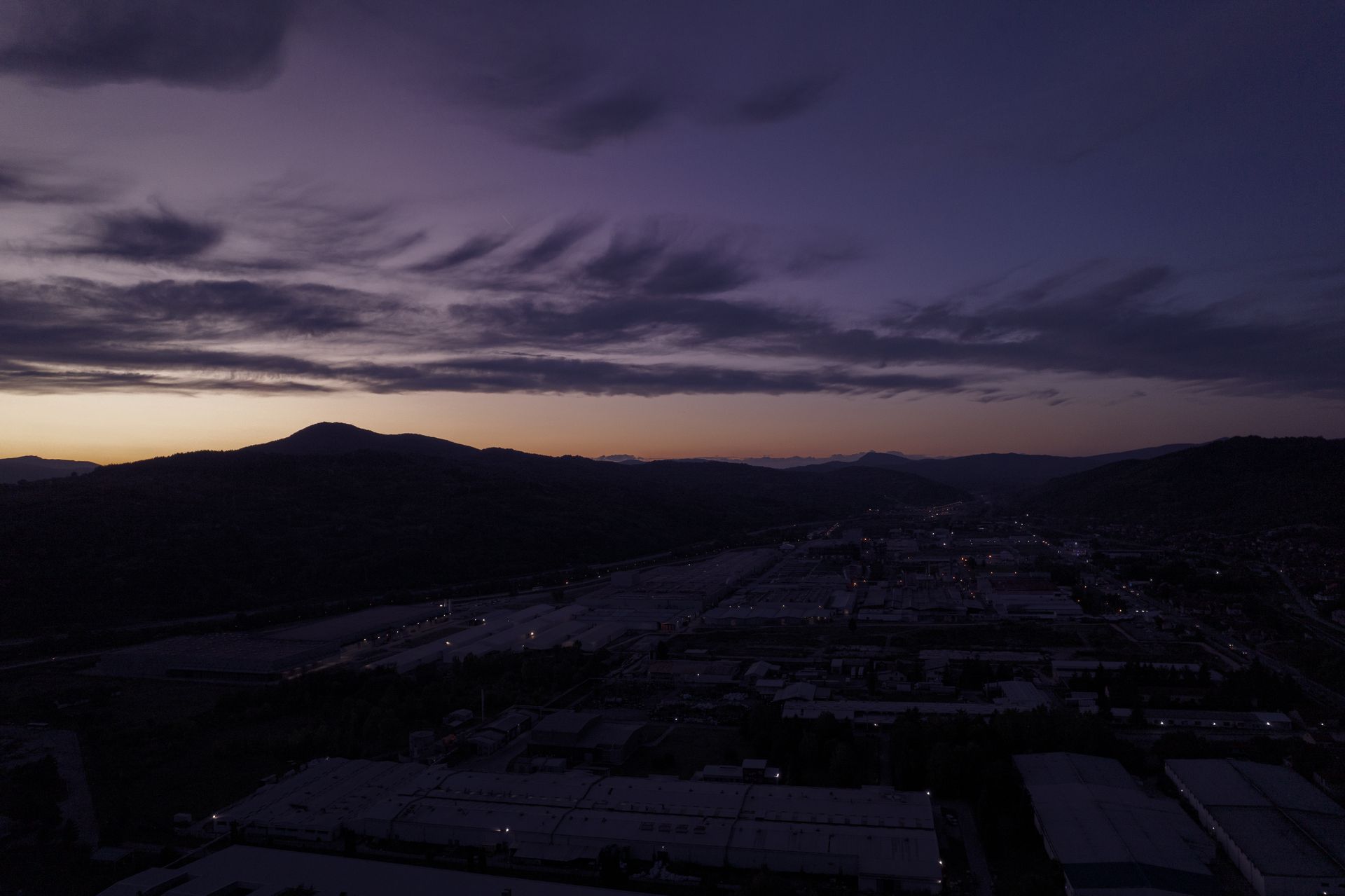
Site
Multi-tenant colocation campus: two operating halls, one under construction, rooftop chillers and dry coolers, generator yard, single utility substation
Building systems
BMS and EPMS on Modbus RTU and Modbus TCP; vendor cellular modems on the roof
Approach
CoreDesign site model, Osprey radar, RF and Remote ID detection, EO/IR with CoreAI, and CoreCommand correlating airspace and building-system alerts
The fence is covered. The roof and the sky are not.
Guards have seen small drones over the roof and the construction site at dusk, with nothing to hand police. One tenant runs large AI training jobs, and the power and chiller readings on the building network show that load to anyone who can read it.
October's strikes on Russian data centers have raised questions from tenants, insurers and the board.
What the team is worried about
- Repeated overflights of the chiller plant, generator yard and substation
- Devices left beside rooftop plant or vendor gateways
- Slow, hidden changes to cooling setpoints
- Interference with GNSS timing, wireless sensors and radios
- A strike on a dependency the campus cannot run without
Four steps, one picture.
Assess and model
Walk the campus with security, facilities and OT, then build it in CoreDesign and test sensor coverage before buying hardware.
Detect over protected zones
Radar over the roof plant, yard and substation; RF and Remote ID for control links and broadcast IDs; cameras that slew to each track and record.
Bring in the building
Segment BMS and EPMS, remove internet exposure, set setpoint limits, and feed OT monitoring and BMS alarms into CoreCommand as structured data.
Write rules and responses
Zone rules tied to actions: guard dispatch, OT review, setpoint checks and evidence packages for police, the FBI and the FAA.
Two alerts, one incident.
At 02:10 radar picks up a small drone approaching from outside the fence. The cameras slew, CoreAI classifies it as a drone, and it hovers over the chiller plant for four minutes before leaving. The SOC sends a guard to the roof.
At 02:40 the OT monitoring tool reports a new device on the rooftop cooling network. On its own, that might wait for morning. On the CoreCommand timeline it sits thirty minutes after a hover in the same place. The guard finds a small device beside a chiller panel, facilities confirms no setpoints changed, and the device, video and track go to the FBI.
What the operator gets
- A track history and video for every drone over the campus
- Protected zones that match how the site fails
- Building-system alerts reviewed in context
- Evidence police, the FAA and insurers can use
- A rehearsed response, including workload failover
Illustrative scenario. Site details are representative, not measured. Operators detect, track, identify and record; action against a drone is taken only by authorized federal agencies or certified state and local law enforcement.
Running a data center campus?
Send the site, the mission and what is already installed. A TKG engineer will respond.