Drone detection at a correctional facility
Radar, cameras and fusion software implemented, validated with live drone flights, and in service protecting the facility today.
Full case studies are shared with approved organizations through the TKG Library. Already approved? Open the library
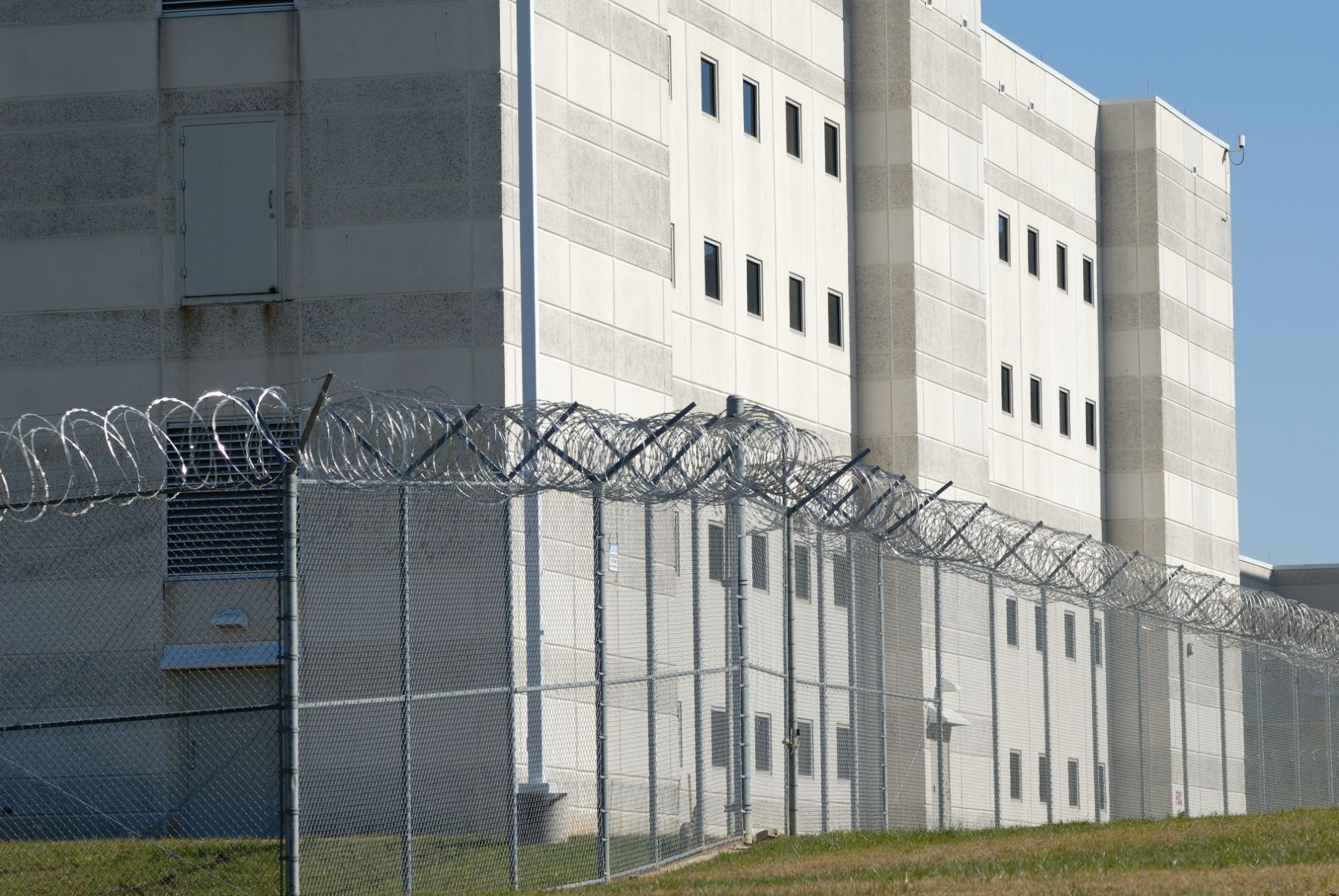
Customer
Corrections agency (through a security integrator)
Site
Operating correctional facility in a cluttered urban setting
Solution
Solid-state 3D radar panels; PTZ day/thermal cameras with AI classification; fusion software and VMS integration
Validation
Day and night live drone flights by independent pilots
Status
Implemented and in service
TKG role
Detection system design, radar and camera integration, fusion software configuration, commissioning and validation support
Contraband by air, in a cluttered setting.
The agency needed to detect drones delivering contraband to the facility, day and night, and to alarm on real drones rather than birds.
Nearby infrastructure and traffic added clutter, and the places where sensors could be mounted were limited.
The solution
- Solid-state 3D radar panels arranged to cover the airspace around and above the facility
- PTZ cameras with daylight and thermal sensors, slewed automatically to radar tracks, with AI that classifies drone versus bird
- Fusion software with one map and one video wall, ignore zones, drop-point marking, alarm acknowledgment and replay
- Redundant servers, GPS-synchronized time, UPS backup and integration with the facility’s VMS
What was delivered.
Implemented and validated
Installed, commissioned and validated with live drone flights, day and night
Detected inbound drones
During validation the system detected and tracked drones flying toward the facility and confirmed them on camera
In service
The facility continues to use the system to protect its airspace
Keys to a successful implementation.
Set realistic, reasonable requirements
Base them on the real site: where sensors can be mounted and what surrounds the facility. Device placement and how requirements are written decide whether a final site test can be assessed fairly.
Agree validation before procurement
Use flight routes that are safe and represent real threat approaches.
Staff the response
Decide who confirms an alert on each shift, marks the drop point and sends a recovery team.
Confirm visually before alarming
Camera confirmation keeps nuisance alarms from birds out of the control room.
Keep tuning after go-live
Review alerts monthly and adjust masks, zones and camera presets as activity changes.
Who did what.
TKG Security
Detection system design, radar and camera integration, software configuration, commissioning and validation support
Integration partner
Installation, integration and acceptance management
Customer, integrator and site identities withheld. Results are site-specific.
Planning a similar system?
Send the site, the mission and what is already installed. A TKG engineer will respond.